Imagine this… we’re in Central Otago, in the Cromwell Gorge, near Roxburgh, next to the Clutha River, sort of. We’re at one of the many farm/orchards. It’s mid-morning, the sun’s still rising. The day will be what the locals call a scorcher. We’re here to pick apricots.
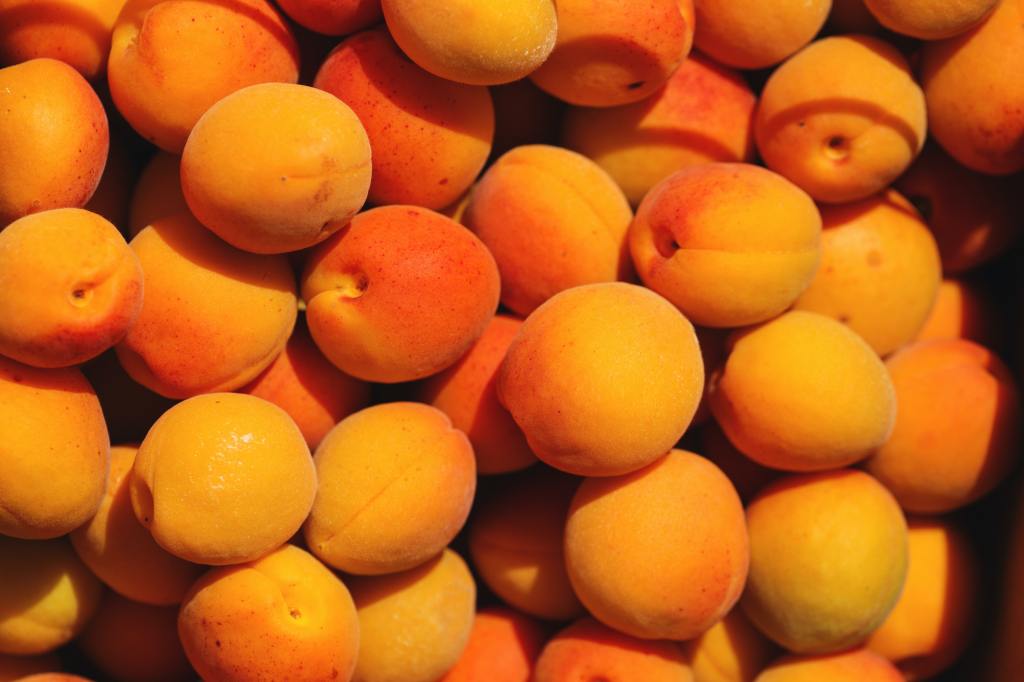
Ripe apricots are a rich orange colour; some even have a red patch like sunburnt cheeks. The orchard’s trees are groaning under the weight of all their ripe fruit, like pregnant cows just hours before giving birth, sort of.
The apricots are warm like they’ve just come out of a low oven. The farmer shows us how to pick them: gently, don’t pull, use a simple twist with your fingers so as not to break the tree’s branch. Feel the apricot before you pick it; only pick the softer, riper ones. ‘And,’ he said, ‘when you find one that’s just perfect, eat it right away. Enjoy it. Enjoy the moment of warm soft apricot flesh, the burst of natural sugar in your mouth, the juice that will inevitably dribble down your chin and your fingers…’ ‘Enjoy it all while you can,’ he said, ‘because…’ and then he walked away and I didn’t hear the rest.
The leafy apricot trees are shady but the day is getting hotter and so are we. But we’ve been promised an ice cream and a swim in the Clutha’s chill, crystal-clear water later in the afternoon. And I’m certain we’ll have a picnic with bacon and egg pie, chocolate chip biscuits probably and a cup of tea from the thermos because I peeked into ‘the’ cardboard box in the car boot. (I’ll tell you more about that big bacon & egg pie some time.)
We were to pick about 10 boxes probably. We also wanted some peaches from another orchard. And probably some other fruit too, and probably from a roadside stall somewhere around the area we’d get some honeycomb too, but it’s the apricots I’m remembering.
The orchardist wasn’t wanting us to pick quickly. It wasn’t about quantity and speed. He had said to go slowly and enjoy the search for the very best of the apricots. An apricot tree isn’t big and aggressive like a pine tree. It’s low, it’s branches are frail, like a small child’s arms, the leaves are a gentle green, not hard and harsh like a monkey puzzle tree. Apricot trees are mostly too small and fragile to climb. We stood on boxes and buckets to reach the higher branches. And every once in a while our fingers told us to stop. This is one, a perfect one. It’s sun-warm, it’s soft all over. It’s just right. Put the box down on the grass and pull the apricot apart, remove the stone and drop it onto the grass and then in 3 or 4 very deliberate, slow, thoughtful mouthfuls, enjoy the sweet, simple warmth of the best apricot ever. And store that little memory away for later.
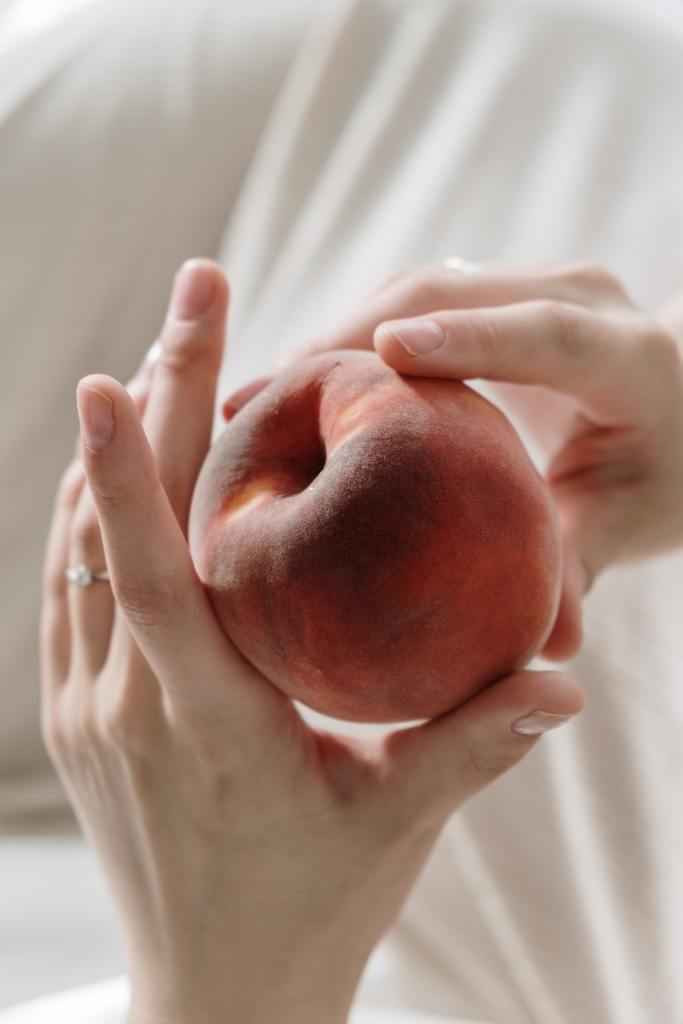
We moved on to pick some peaches, which are right up there with apricots, but not quite. It’s because the stone is sharp perhaps, they’re bigger and so they’re messier to eat. Ripe peaches are excellent, but they’re not sublime as that perfect apricot was.
We’d be back a month or two later to pick apples and pears, but it was the apricots I was eager for. Another year to wait, but I can be patient when I have to be.
Many of those orchards were flooded after the Clyde Dam was built. Those orchards, those apricot trees are now under metres of water. The hydro dam was necessary to power eN-Zed, we were told. In truth, it was an expansionary fiscal policy project, a Think Big project, a way to reduce unemployment and to reduce our dependence on Middle East/OPEC oil. Some farmers said their orchards had taken generations to get to the stage of growing those perfect apricots or the perfect peaches or Granny Smiths or… but the Prime Minister, Rob Muldoon, said we needed the electricity and the orchardists would be compensated. But how can money compensate for the loss of a day picking apricot in the Cromwell Gorge, next to the crystal clear water of the Clutha River, of eating the sweetest, juiciest, most sublimely perfect apricot?
You can’t. A few years later I spent a week picking apricots near Blenheim. I’ve visited orchards and fruit and veg markets in Kazakhstan and the Balkans. I’ve even been into apricot orchards in the Hunza Valley, in north Pakistan, famous for its apricots. But I’ve never come close to finding an apricot even remotely like those from the Cromwell Gorge.

 eN-Zed